
Spazio Nuovo
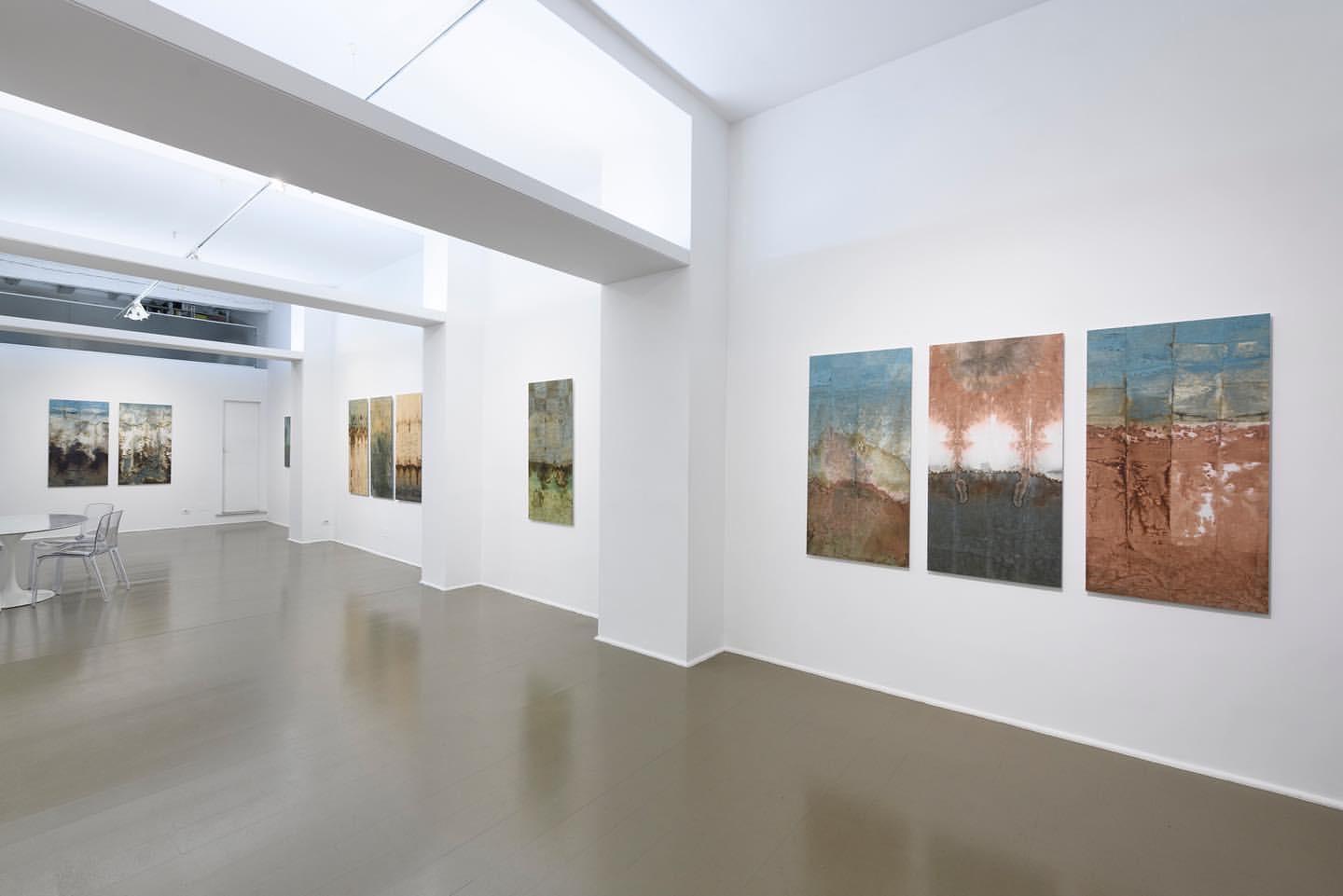
Founded in 2010 by Guillaume Maitre and Paulo Pérez Mouriz and located in the historic center of Rome, just a few steps from the Pantheon, Spazio Nuovo is a contemporary art gallery with a strong focus on photography, while maintaining attention to other artistic media. Combining poetic innovation with scientific rigor, it develops exhibition projects and relationships with collectors and institutions, offering curatorial expertise in the enhancement of collections.
Galleries deeply reflect the soul of a city, and Rome — long a place of avant-garde — continues to leave a distinctive mark. Spazio Nuovo is an example: since its opening in 2010, it chose to give significant space to photography at a time when this medium was still underrepresented. Today, it is rewarding to see how, not only in Rome but in many cities around the world, photography has become a widely appreciated and established medium.

In Rome, people are simply more accustomed to beauty and therefore able to understand a wide variety of languages. This often makes the work on display more authentic and intense. Probably also because galleries are fewer in number, and each of them maintains a strong and clearly defined identity.
I chose Rome because it is a city where, with passion and great commitment, anything can become possible. The contrast between contemporary art and its language engages in a bold dialogue with the city, creating a stimulating tension. This energizes artists, galleries, and projects, which here seem to find a particular strength and beauty — perhaps more than in other cities.
I believe that galleries that fail to keep pace with change risk disappearing. I am not referring to the digital realm, but rather to the ability to grasp the spirit of the times: understanding what truly moves people and which languages can express it fully, without ever losing the human warmth that must remain central.
My background is multidisciplinary: I studied International Relations and then had the opportunity to come to Rome for academic reasons. I first worked for Cartier, which had recently established its foundation. Luxury, art, and photography are part of the spirit of Paris — a city I know well and consider an essential part of my formation and inspiration, alongside my love for Rome. This inspiration led me to move here, where, together with my connection to the city, I found the perfect place to respond to my passion for photography and the desire to create something new.